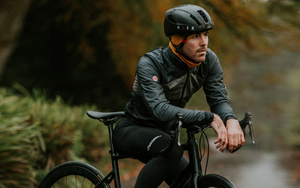


The British winter has a habit of throwing several seasons into one journey. You leave home in drizzle, meet a headwind halfway to work and arrive wondering whether your gloves were secretly made for summer.
An electric bike can make those journeys less demanding, especially when hills and headwinds arrive together. But choosing a winter companion takes more than picking the biggest battery or the chunkiest tyres.
The best electric bike for winter riding is one that suits your route, fits comfortably and has the equipment you need for wet roads and shorter days. Here are four picks from the Pedal & Chain range to consider for winter 2026, plus the preparation that matters whichever bike you choose.
Our winter electric bike picks at a glance
|
Bike |
Our pick for |
What to consider |
|---|---|---|
|
Eskuta SX-250 Series 4 |
Urban commuting |
Storage access, parking space and everyday practicality |
|
Hikobike Vibe Step Through 670Wh |
Comfort and easy mounting |
Fit, handling and battery needs |
|
Ampere X-Trail |
Mixed roads and suitable trails |
Tyres, route conditions and commuter accessories |
|
Eelo 1885 Disc Explorer |
Folding and combined journeys |
Carrying, folded storage and route suitability |
These are recommendations based on published specifications and different riding needs, rather than a winter road test. Check the linked product pages for current versions, prices and availability.
Best for urban commuting: Eskuta SX-250 Series 4

If your winter routine revolves around travelling across town, the Eskuta SX-250 Series 4 deserves a look.
Its distinctive design will appeal to riders who want something different from a conventional bicycle. The SX-250's lighting equipment is another reason to consider it for everyday journeys: Eskuta lists a headlamp, indicators and a brake light.
For winter commuting, think about the complete journey. Where will you park at work? Can you roll the bike directly into secure storage at home? Are there steps or narrow entrances to negotiate?
A bike can suit your road journey beautifully while being awkward to store. Checking those details before ordering will make life easier throughout the year.
Our verdict: A candidate for town-based riders who value everyday practicality and have suitable storage access.
Explore Pedal & Chain's Eskuta range
Best for step-through comfort: Hikobike Vibe 670Wh

Winter clothing can turn getting on a bike into a small gymnastics routine. A step-through frame makes mounting simpler, particularly when you're wearing bulky layers.
The Hikobike Vibe combines that accessible frame layout with a 670Wh battery. Its published specification also includes hydraulic disc brakes, front suspension, a suspension seatpost and front and rear lighting.
That combination makes it worth considering for riders who prioritise comfort on everyday journeys. The battery capacity also deserves attention if your route is longer or includes hills, although capacity alone cannot tell you exactly how far you will travel.
The right fit still matters. Check the bike's dimensions and whether you can handle it comfortably when stopping, parking and moving it into storage.
Our verdict: A useful option for riders seeking easy mounting, comfort features and a larger battery.
View the Hikobike Vibe Step Through
Best for mixed routes: Ampere X-Trail

Some journeys include smooth roads, rough lanes and a little gravel before you reach your destination. For those riders, the Ampere X-Trail is worth a closer look.
Ampere's published X-Trail specifications include Shimano hydraulic disc brakes, suspension forks and Schwalbe puncture-resistant tyres. Those features make it a candidate for varied surfaces and recreational riding.
For regular winter commuting, check the exact equipment on your chosen version. Mudguards, appropriate lighting and a way to carry your belongings can be as useful as suspension.
Tyres also need to match the route. A tread designed for loose ground does not automatically provide the best performance on wet tarmac, and mountain-bike tyres are not a guarantee of grip on ice.
Our verdict: Worth considering for riders who split their time between roads and suitable trails, with accessories chosen for everyday use.
Best for folding and combined journeys: Eelo 1885 Disc Explorer

Sometimes the most useful winter feature is being able to fold your bike.
The Eelo 1885 Disc Explorer is a candidate for riders combining cycling with train or car journeys, or looking for a bike that takes up less storage space.
Before buying, consider how often you will actually lift it. Folding dimensions and weight matter when there are station steps, a car boot or a tight hallway involved. Check your train operator's rules too.
Think about your route as well as the fold. A compact bike for a short urban journey has different requirements from one used on long, rough lanes. If you ride after dark, make sure the lighting is suitable for the roads you use.
Our verdict: A practical shortlist option where folding and storage are central to your daily routine.
View the Eelo 1885 Disc Explorer
What makes an electric bike suitable for UK winter riding?
Tyres matched to your journey
Look at tyre condition, tread and suitability for the surfaces you ride. Wet roads, muddy trails and icy lanes are different challenges.
Keep tyre pressures within the manufacturer's permitted range, taking account of your weight and luggage. If you want alternative tyres, check compatibility with the wheels and frame before buying.
Brakes that are maintained properly
Brake type is only part of the picture. Pad condition, adjustment and clean braking surfaces all matter.
Wet and slippery conditions call for more space and smoother riding. Slow down before corners and avoid abrupt braking or steering.
Lights for seeing and being seen
A light that helps drivers notice you on a lit street may not adequately illuminate an unlit country lane.
Choose lighting for your actual route, check it before leaving and keep it clean. Aim the front light so you can see ahead without dazzling other road users.
Mudguards and useful carrying space
Mudguards help reduce spray reaching your clothes and luggage. They are especially useful for commuters who would prefer not to arrive wearing half the road.
Waterproof panniers can also make carrying work essentials easier. Check rack compatibility and load limits before adding luggage.
A comfortable fit and practical storage
You need to feel comfortable riding the bike and moving it around when the motor is off. Consider the frame, riding position, bike weight and access to storage.
A convenient charging routine matters too. Check whether the battery is removable and follow the instructions for your particular system.
Check our Blog: E-Bike Winter Maintenance Guide
How does cold weather affect e-bike battery range?
Cold conditions can reduce the range available from an e-bike battery. Hills, headwinds, luggage, tyre pressure and assistance level also influence the distance you can cover.
There is no single percentage reduction that applies to every bike and journey. Treat advertised maximum range as a guide under favourable conditions, rather than a promise for a cold commute.
Allow a comfortable reserve instead of planning to arrive with the battery almost empty. Learn how your own bike performs on your usual route as the weather changes.
Follow the battery manufacturer's temperature limits for riding, storage and charging. After a cold ride, allow the battery to warm naturally to a permitted charging temperature and make sure it is dry before connecting the approved charger. Do not use a radiator or other direct heat source to warm it.
If the bike will be unused for several weeks, follow its instructions for storage charge level and periodic checks.
Can you ride an electric bike in the rain?
Many e-bikes are intended for everyday outdoor use, but water resistance varies between systems. Check your model's manual for its limits and care instructions.
Rain resistance does not mean the bike can be submerged. Avoid floodwater: it can conceal potholes, debris and unexpected depth, as well as exposing components to water beyond their intended limits.
After a wet ride, clean and dry the bike as instructed. Avoid directing water at electrical connections, and do not use a pressure washer on the battery or electrical components.
Check out our Blog: Can Electric Bikes Get Wet?

What about frost, snow and black ice?
A motor helps with pedalling. It cannot provide grip when the road surface offers very little.
Check the forecast and road conditions before leaving. If ice is likely, postponing the ride or choosing another way to travel can be the sensible decision.
In slippery conditions, keep your movements gentle, leave extra stopping room and use assistance smoothly. Watch for shaded stretches and places where water may have frozen.
Wide tyres and suspension do not make a bike ice-proof. Specialist winter tyres may help in appropriate conditions, but need to suit the bike and route.
A simple winter e-bike checklist
Before each ride:
-
Check tyres for damage and correct pressure.
-
Test the brakes and lights.
-
Make sure the battery has enough charge for the journey and a reserve.
-
Secure luggage and check that nothing can catch in the wheels.
-
Review the weather and choose a suitable route.
After wet or salty journeys:
-
Remove grime using the manufacturer's recommended cleaning method.
-
Dry the bike and inspect accessible connections.
-
Clean and lubricate the chain as needed, keeping lubricant away from brakes.
-
Store and charge the battery according to its instructions.
Little and often is usually easier than tackling weeks of winter grime in one afternoon.
Frequently asked questions
Are fat-tyre electric bikes better for winter?
They may suit some loose or soft surfaces, but tyre width alone does not determine grip. Tread, rubber compound, pressure and road conditions matter. Ordinary fat tyres should not be treated as protection against black ice.
Is a folding electric bike suitable for winter commuting?
It can be, especially for shorter journeys and combined transport. Choose it for your route as well as its folded size, and check brakes, lighting, tyres and storage arrangements.
Can I leave my e-bike battery in a cold garage?
Check the permitted storage temperatures for your battery. A garage may become colder or damper than expected. Follow the manufacturer's guidance, particularly before charging.
Do I need a bigger battery for winter?
You need enough usable range for your journey with a sensible reserve. A larger battery can help, but the right choice depends on distance, hills, load and assistance use.

Find your winter riding companion
For urban journeys, start by exploring the Eskuta range. For step-through comfort, consider the Hikobike Vibe. For varied routes, look at the Ampere X-Trail; for folding and combined journeys, assess the Eelo 1885 Disc Explorer.
The best choice is the one that suits your route, fits you comfortably and works with your storage and charging routine.
At Pedal & Chain, we can help you compare the options and choose suitable equipment, with rider support available seven days a week.
Browse our electric bikes, or get in touch for help choosing a bike for your winter journeys.
Need Help Choosing the Right E-Bike?
Our friendly UK-based team is here to help.
📧 Email us: info@pedalandchain.co.uk
📞 Call us: 0333 050 1008
💬 Contact us online: https://pedalandchain.co.uk/pages/contact-us
🕘 Monday – Sunday, 9:00am–5:00pm
Outside these hours, our virtual assistant is available 24/7 via phone or live chat.