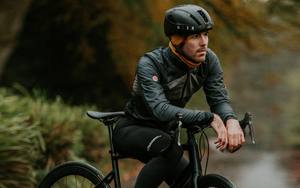
One of the first questions many people ask when buying an electric bike is simple: "How far will it go on one charge?" It's an important question. Nobody wants to spend an entire ride watching the battery indicator and wondering whether they'll make it home. Fortunately, e-bike range anxiety doesn't have to be a problem. The secret isn't necessarily buying the biggest battery you can find. It's choosing a battery that suits your journeys, terrain and riding style. In this guide, we'll explain e-bike battery sizes in plain English, look at what affects your real-world range and highlight five electric bikes from Pedal & Chain for different battery and riding requirements. Top 5 E-Bikes for Different Battery and Range Needs There's no point recommending five enormous batteries and calling it a day. Instead, we've selected five bikes that demonstrate how different battery capacities can suit different riders. 1. Hikobike Rangler Touring Electric Bike – Best for Long-Distance Touring If longer rides and adventures are high on your list, the Hikobike Rangler Touring Electric Bike is an excellent example of why additional battery capacity can be worthwhile. The Rangler offers 500Wh and 670Wh battery options, giving riders the flexibility to choose according to their expected mileage. With the larger battery, its approximate quoted range reaches 50–80 miles, although actual mileage will depend on riding conditions. It also pairs its battery with a Dapu mid-drive motor delivering up to 100Nm of torque, making it particularly appealing for longer routes where hills and varied terrain are involved. Battery: 500Wh / 670WhApprox. quoted range: 50–80 milesBest for: Touring, countryside riding and longer journeys Why we like it: The choice of battery sizes means you can select the capacity that best matches your riding instead of automatically paying for the largest option. 2. Knaap RTD Generation 2 – Best for High-Capacity Urban Riding Want plenty of battery capacity alongside unmistakable styling? The Knaap RTD Generation 2 Electric Bike certainly stands out. Its 36V 21Ah lithium-ion battery works out at approximately 756Wh, giving riders a substantial amount of stored energy to work with. The RTD also combines a 250W Bafang rear hub motor with full suspension, fat anti-puncture tyres and a distinctive extra-long seat design. That makes it particularly interesting for riders who want a comfortable urban e-bike while prioritising plenty of battery capacity between charges. Battery: 36V 21Ah – approximately 756WhBest for: Urban adventures, regular riding and riders wanting greater battery capacity Why we like it: It's a great example of the other end of the battery-size spectrum – ideal for riders who genuinely benefit from having more energy available. 3. Ampere Deluxe Step-Through – Best for Everyday Commuting Not everyone needs a 700Wh+ battery. For everyday commuting and leisure riding, the Ampere Deluxe Step-Through Electric Bike demonstrates how a more moderate battery can provide a practical balance. The Deluxe offers 10Ah and 14Ah battery options, with Ampere quoting up to approximately 40 miles from the 10Ah battery and 55 miles from the 14Ah option. That gives commuters an easy choice. If your journeys are relatively short, the standard battery may be sufficient. If you're travelling further or simply want some additional breathing room, you can opt for the larger version. Its step-through frame also makes getting on and off easier, while the upright riding position suits everyday journeys. Battery: 36V 10Ah or 14AhQuoted range: Up to 40 miles / 55 milesBest for: Everyday commuting and leisure riding Why we like it: You can choose the battery around your expected mileage rather than automatically carrying unnecessary capacity. 4. EZEGO Step NX – Best for Shorter Everyday Journeys The EZEGO Step NX is a useful reminder that bigger isn't always better when it comes to batteries. With 375Wh and 460Wh battery options, it can make plenty of sense for riders whose journeys don't require enormous capacity. If most of your riding involves commuting, popping into town, visiting friends or enjoying relatively short leisure rides, carrying around a huge battery may simply be unnecessary. Choosing an appropriately sized battery can help keep your e-bike practical while still providing enough assistance for the journeys you actually make. Battery: 375Wh / 460WhBest for: Shorter commutes, errands and everyday leisure riding Why we like it: It's a sensible example of choosing enough battery rather than simply choosing the biggest battery. 5. Mark2 Scrambler – Best for Leisure and Adventure Riding For riders who like mixing everyday cycling with a little more adventure, the Mark2 Scrambler Electric Bike offers another useful battery choice. It comes with a 375Wh battery, with a 460Wh upgrade option available for riders wanting additional range. That makes it particularly relevant to this guide. Someone mainly enjoying shorter leisure rides may find the standard battery perfectly adequate, while riders planning longer adventures can choose the higher-capacity option. The Scrambler demonstrates exactly what we'd recommend when shopping for an e-bike: consider how you intend to ride first, then choose your battery. Battery: 375Wh with 460Wh optionBest for: Leisure riding and mixed adventures Why we like it: Two battery choices allow you to match the bike more closely to your expected riding distance. Quick Comparison E-Bike Battery Best For Hikobike Rangler 500Wh / 670Wh Long-distance touring Knaap RTD Generation 2 Approx. 756Wh High-capacity urban riding Ampere Deluxe Step-Through 36V 10Ah / 14Ah Everyday commuting EZEGO Step NX 375Wh / 460Wh Short everyday journeys Mark2 Scrambler 375Wh / 460Wh option Leisure and adventure What Does E-Bike Battery Size Actually Mean? Electric bike battery capacity is usually measured in watt-hours (Wh). Put simply, the higher the Wh figure, the more energy the battery can store. You may also see batteries described using volts (V) and amp-hours (Ah). You can calculate the approximate capacity using: Volts × Amp-hours = Watt-hours For example: 36V × 10Ah = 360Wh A 500Wh battery therefore stores more energy than a 360Wh battery and, all other things being equal, should be capable of taking you further. However, battery capacity isn't the only thing determining your range. Check Out Related Blog Post Here "Are E-Bike Batteries Safe?" What Battery Size Do You Need? There's no single battery size that's perfect for every electric bike rider. As a simple starting point: Battery Capacity Generally Suited To Under 400Wh Short journeys and casual leisure riding 400–500Wh Commuting and everyday riding 500–625Wh Longer commutes and regular riding 625–750Wh Longer distances, hills and demanding journeys 750Wh+ High-mileage riding, touring and riders wanting maximum capacity These aren't guaranteed mileage figures. Think of battery capacity like the size of a fuel tank. A bigger tank gives you more energy to work with, but how quickly you use that energy depends on the journey. How Far Can an Electric Bike Actually Go? You'll often see manufacturers advertising figures such as "up to 40 miles", "up to 60 miles" or even considerably more. The important words are "up to." These figures can be useful for comparing bikes, but your actual range will depend on how and where you ride. A lightweight rider travelling along relatively flat roads in Eco mode could achieve significantly more range than someone riding the same bike up steep hills while using maximum assistance. So, rather than choosing an e-bike purely because it has the largest advertised range, consider your normal journeys first. Check Out Related Blog Post "E-Bike Batery Life Explained | Whar Range You Really Get" What Affects E-Bike Battery Range? Terrain Hills require more work from the motor, which means more energy from the battery. If your regular route includes plenty of climbing, it's sensible to give yourself additional battery capacity. Assistance Level Higher assistance settings make riding easier but consume more energy. Using Eco or lower assistance levels when you don't need maximum support can make a significant difference to your range. Rider and Luggage Weight The more weight your bike needs to move, the harder the motor has to work. Heavy panniers, shopping and other cargo can therefore reduce your available range. Weather British weather can play a part too. Cold temperatures can temporarily reduce lithium-ion battery performance, while strong headwinds can make your motor work harder. Tyre Pressure Underinflated tyres increase rolling resistance. Keeping your tyres correctly inflated can improve efficiency as well as making your bike nicer to ride. Riding Style Frequent acceleration, stop-start riding and relying heavily on maximum assistance will generally consume more battery than maintaining a steady pace. Check Out Our Blog Post "Which is the Best Electric Bike for Range?" Should You Always Buy the Biggest Battery? No – and this is one of the biggest misconceptions surrounding electric bikes. A larger battery can give you: Greater potential range More flexibility for unexpected journeys Fewer charging stops Extra reassurance on longer rides But smaller batteries have advantages too: They can help reduce overall bike weight You aren't paying for capacity you don't need They may be perfectly adequate for everyday journeys Someone commuting five miles each way doesn't necessarily need the same battery as someone regularly completing 50-mile weekend rides. The best battery isn't the biggest one. It's the one that comfortably handles your riding. How Much Range Do You Really Need? Start with your longest typical journey rather than the manufacturer's biggest advertised number. A simple rule is: Normal daily mileage + a sensible reserve = your practical range requirement For example, imagine your commute is eight miles each way. That's around 16 miles per day. You wouldn't ideally choose a bike whose maximum advertised range only just reaches 16 miles. Give yourself some breathing room for hills, colder weather, higher assistance levels, detours and the gradual ageing of the battery. The aim isn't to finish every journey with 1% remaining. It's to have enough capacity that you don't need to think about range every time you leave home. Electric Bike Battery FAQs How Many Miles Will a 500Wh E-Bike Battery Last? There's no guaranteed mileage. A 500Wh battery can produce very different ranges depending on terrain, assistance level, rider weight, weather, motor efficiency and riding style. Use manufacturer estimates as a guide rather than a promise. Is a 500Wh Battery Enough for an Electric Bike? For many commuters and leisure riders, it can be. If you're regularly tackling long distances or steep hills, however, moving towards a larger battery may provide more flexibility. Is a 750Wh Battery Worth It? It can be for high-mileage riders, long-distance adventures or particularly demanding journeys. For someone making short journeys around town, however, that additional capacity may simply be unnecessary. Does Cold Weather Reduce E-Bike Range? It can. Lithium-ion batteries can temporarily perform less efficiently at lower temperatures, so don't be surprised if your winter range differs from your summer mileage. Should I Charge My E-Bike After Every Ride? Not necessarily. Battery recommendations can differ between manufacturers, so it's always best to follow the charging and storage instructions supplied with your particular electric bike. Does Using Maximum Assistance Reduce Range? Yes. Higher assistance levels require more energy from the battery. Dropping down to a lower assistance setting on easier sections of your journey is one of the simplest ways to conserve power. Range Anxiety Solved Choosing an electric bike battery doesn't have to become a numbers game. Start by asking yourself three simple questions: How far do I normally ride? How hilly are my routes? How much assistance am I likely to use? A shorter-distance commuter may be perfectly happy with a battery below 500Wh. Regular long-distance riders might appreciate 500–670Wh, while riders tackling demanding journeys may benefit from even greater capacity. The important thing is having enough battery to comfortably complete your journeys with some capacity left in reserve. Whether that leads you towards the everyday practicality of the EZEGO Step NX, the versatile Ampere Deluxe, the adventurous Mark2 Scrambler, the long-distance Hikobike Rangler or the high-capacity Knaap RTD Generation 2, choose the bike that fits the way you actually ride. Ready to leave range anxiety behind? Explore our electric bikes at Pedal & Chain and find the battery, range and riding style that's right for you. Need Help Choosing the Right E-Bike? Our friendly UK-based team is here to help. 📧 Email us: info@pedalandchain.co.uk 📞 Call us: 0333 050 1008 💬 Contact us online: https://pedalandchain.co.uk/pages/contact-us 🕘 Monday – Sunday, 9:00am–5:00pmOutside these hours, our virtual assistant is available 24/7 via phone or live chat.