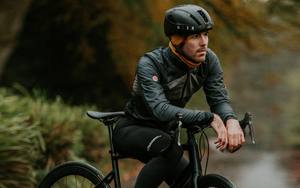
You’ve found the perfect electric bike, great reviews, solid battery, stylish design… but the moment you hit a hill, the power just isn’t there. Sound familiar? It’s one of the most common frustrations riders face, and it usually comes down to one overlooked spec: torque. Most buyers focus on battery size or motor wattage, but neither truly reflects how powerful an e-bike feels when climbing hills, carrying weight, or setting off from a standstill. In this guide, we’ll break down what torque really means, how much you need, and which e-bikes are best suited for hills and heavier riders in the UK. 👉 How Electric Bike Works Top High-Torque E-Bikes at Pedal & Chain Here are some excellent options worth considering: 🚲 Amcargobikes Electric Cargo Range High torque motors (ideal for loads) Perfect for families and deliveries Designed for stability and power 👉 Ideal if you need serious pulling power 🚲 Ampere Deluxe Electric Bikes Strong mid-range torque Great for commuting and hills Excellent value for performance 👉 Ideal for everyday riders tackling varied terrain 🚲 Eskuta Performance Models Responsive acceleration Solid torque output Great for urban commuting 👉 Ideal for stop-start city riding 🚲 Folding E-Bikes with Higher Torque Options Compact yet powerful Ideal for commuters Increasingly capable on hills 👉 Ideal if space is limited but performance matters What Is Torque on an E-Bike? Torque is essentially your e-bike’s pulling power, the force that helps turn the wheels and push you forward. It’s measured in Newton metres (Nm), and the higher the number, the more assistance you’ll feel when pedalling. 👉 Which Is The Best Electric Bike for Power? Think of it like this: Low torque = gentle push High torque = strong, confident boost Or in car terms: Torque = acceleration Top speed = horsepower So while your e-bike might be limited to 15.5mph (UK legal limit), torque determines how easily you get there—especially uphill. Why Torque Matters More Than You Think 1. Hill Climbing Power If you live in a hilly area (or even tackle the odd incline), torque is everything. Low-torque motors struggle to maintain speed uphill, forcing you to: Pedal harder Drop gears constantly Lose momentum High-torque motors, on the other hand: Maintain steady assistance Reduce effort dramatically Make hills feel almost flat 👉 Will electric Bikes Go Uphill? Check out this Blog as well 👉 The Benefits of E-Bike in 2026 2. Heavier Riders & Cargo Loads The heavier the total weight (rider + bike + cargo), the more force is needed to move it efficiently. If you're: Over 90kg Carrying shopping, kids, or equipment Using a cargo bike Then torque becomes non-negotiable. 👉 E-Bike Weight Guide 3. Stop-Start Riding (City Commuting) In urban environments, you’re constantly: Starting at traffic lights Navigating junctions Accelerating from low speeds Higher torque gives you: Faster take-off Better control A smoother, more responsive ride How Much Torque Do You Actually Need? Here’s a simple breakdown to help you choose: 30–50Nm (Low Torque) Best for flat terrain Suitable for lighter riders Budget-friendly ⚠️ Not ideal for hills or heavier riders 50–70Nm (Mid Torque) Great for mixed terrain Ideal for everyday commuting Balanced performance 👍 A solid “middle ground” option 70–90Nm (High Torque) Perfect for hills Ideal for riders 90kg+ Strong acceleration 🔥 This is the sweet spot for most UK riders 90Nm+ (Ultra High Torque) Built for steep climbs Ideal for cargo bikes Maximum assistance 🚀 Best for demanding conditions and heavy loads Mid-Drive vs Hub Motors: Which Is Better for Torque? Mid-Drive Motors (Best for Hills) Located in the centre of the bike, these motors: Work with your gears Deliver torque more efficiently Excel on steep inclines 👉 Best choice for: Hills Long-distance riders Heavier users 👉 E-Bike Battery Life Explained Hub Motors (Still Good, But Different) Located in the wheel hub, these motors: Are simpler and often cheaper Provide consistent power Can still offer high torque 👉 Best for: Flat to moderate terrain Budget-conscious riders Torque vs Watts vs Battery (Common Confusion Explained) This is where many buyers get caught out. Watts (W) Indicates motor power UK limit: 250W But… two 250W motors can feel completely different depending on torque. Battery (Wh) Determines range Has nothing to do with climbing power Torque (Nm) Determines how powerful the bike feels The most important factor for hills and weight 👉 In short: Torque = performance Battery = distance Best Types of E-Bikes for High Torque Needs 1. Commuter E-Bikes (Hilly Cities) Perfect for riders tackling inclines daily. Look for: 70Nm+ motors Comfortable geometry 2. Cargo E-Bikes (Families & Deliveries) Built to carry heavy loads with ease: Typically 85Nm–100Nm+ Extremely stable 3. Hybrid / Trekking E-Bikes Great all-rounders with strong climbing ability: Ideal for mixed terrain Versatile and reliable 👉 Which is the Best Electric Mountain Bike? For even more grip and stability, especially for heavier riders, check out the best electric fat tyre bikes in the UK. 4. Folding E-Bikes (Compact Power) Modern folding bikes now offer impressive torque: Great for commuters with limited storage Ideal for multi-modal travel Torque Is What Makes an E-Bike Feel Powerful If there’s one takeaway from this guide, it’s this: 👉 Torque is the single most important factor for hills, weight, and real-world performance. Get it right, and your e-bike will feel effortless, smooth, and powerful. Get it wrong, and even the best-looking bike can feel like hard work. Ready to Ride Smarter? Explore our range of high-performance electric bikes here: 👉 https://pedalandchain.co.uk/collections/electric-bikes Need Help Choosing the Right E-Bike?Our friendly UK-based team is here to help. 📧 Email us: info@pedalandchain.co.uk 📞 Call us: 0333 050 1008 💬 Contact us online: https://pedalandchain.co.uk/pages/contact-us 🕘 Monday – Sunday, 9:00am–5:00pmOutside these hours, our virtual assistant is available 24/7 via phone or live chat.